
Jos Religious Riots Leave 260 Dead, Thousands Displaced
 Bimi
Bimi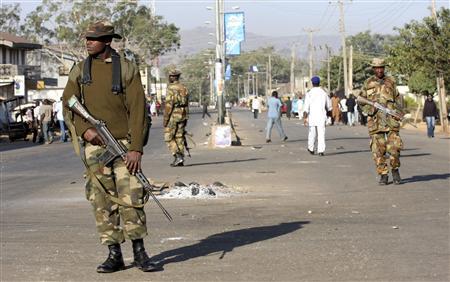
Jos in Flames: Religious Riots Leave 260 Dead and Thousands Displaced
Jos, the historic “Tin City” in Nigeria’s Plateau State, descended into chaos last Sunday. By Wednesday, a fragile calm had returned—but not before devastating loss. At least 260 people are reported dead. Over 17,000 residents have fled their homes.
The latest outbreak of religious violence between Christians and Muslims ignited over a land dispute. Workers were rebuilding a Muslim home destroyed in the 2008 election riots when neighboring residents claimed the land was encroached upon. Tempers flared. Words turned to blows.
From Argument to Inferno
The local clash quickly escalated. Within hours, entire neighborhoods were engulfed in flames. Mosques and churches were torched. Families scrambled for safety.
When the smoke cleared, corpses littered the streets. They were later taken to the Jos University Teaching Hospital (JUTH) morgue. The city, once bustling with trade and tourism, became a ghost town.
Security Cracks Down
In response, Plateau State Governor David Jang imposed a dusk-to-dawn curfew on the capital. He called for an immediate end to the bloodshed.
The Commissioner of Police, Mr. Gregory Anyating, announced 35 arrests. Alarmingly, five of those arrested wore military uniforms and carried arms.
Religious Leaders Speak Out
Bishop Andersen Bok, National Coordinator of the Christian Elders Association, condemned the attacks in strong terms.
“We hereby condemn yesterday’s attack on Christians in Jos,” he said in a press release. “This was a premeditated act of violence.”
This is not the first time Jos has seen blood. In 2008, a similar clash claimed around 200 lives.
The Presidency Responds
Vice President Goodluck Jonathan, acting in the absence of President Umar Musa Yar’Adua—who has been missing from public life for weeks—deployed federal troops to restore order.
Calling the incident “one too many,” Jonathan stepped in where silence had prevailed. His actions have drawn praise, especially given the constitutional confusion caused by Yar’Adua’s prolonged absence.
Protest and Petition
In Abuja, Nigeria’s capital, the outcry intensified. Relatives of Jos residents stormed the National Assembly, demanding justice.
Legal experts now warn that the crisis reveals deep flaws in Nigeria’s constitution. A growing movement of citizens—estimated at one million—are signing a petition asking Yar’Adua to step down if he is no longer able to serve.
Beyond the Numbers
Jos has once again become a symbol of Nigeria’s fragile unity. A city that sits on the religious and cultural fault line between north and south has paid the price of mistrust, poor governance, and festering wounds left untended.
The human cost—260 dead, thousands displaced—must serve as a wake-up call. True peace requires more than military presence. It demands justice, accountability, and a renewed effort to bridge Nigeria’s dangerous divides.
Read similar stories
